February 4, 2026: The Day Video Production Changed Forever
I’ve been in advertising and creative production for over 20 years. I’ve seen transitions from film to digital, from desktop editing to cloud workflows, and I’ve built JZ Creates on the belief that AI is the next frontier of creativity.
But today—February 4, 2026—feels different.
Kling 3.0 just dropped, and after diving deep into what this Chinese AI company has built, I’m more convinced than ever: we’re witnessing the moment AI video moves from “impressive tech demo” to “production-ready creative asset.”
Let me tell you why this matters, not just for AI enthusiasts, but for brands, agencies, and anyone who cares about creating content that actually performs.
What Is Kling 3.0? (The Short Version)
Kling 3.0 is what they’re calling an “all-in-one creative engine for multimodal creation.” That’s marketing speak for: it can do text-to-video, image-to-video, character consistency, lip-sync audio, multi-shot direction—all in one system.
Here’s what excites me most:
1. Multi-Shot with AI Director
This is the feature that made my jaw drop. Kling 3.0 understands your script and generates complete multi-shot cinematic scenes with automatic camera control in one click.
Think about what this means: you write a script, hit generate, and the AI decides where the camera goes, what shots it needs, and how to cut them together. It’s like having a DP and editor who read your mind.
2. 15-Second Cinematic Videos
Most AI video tools struggle to generate anything longer than 4-5 seconds. Kling 3.0? Up to 15 seconds with smooth narrative flow.
That doesn’t sound like much until you realize: 15 seconds is a full Instagram Story. It’s a complete TikTok. It’s a YouTube bumper. You’re not generating clips—you’re generating deliverables.
3. Omni Native Audio with Lip Sync
Characters that actually speak. Accurate lip sync. Multi-language support with dialects and accents.
This isn’t just audio dubbed over video—it’s synchronized dialogue that looks real. For brands needing multilingual content, this is massive.
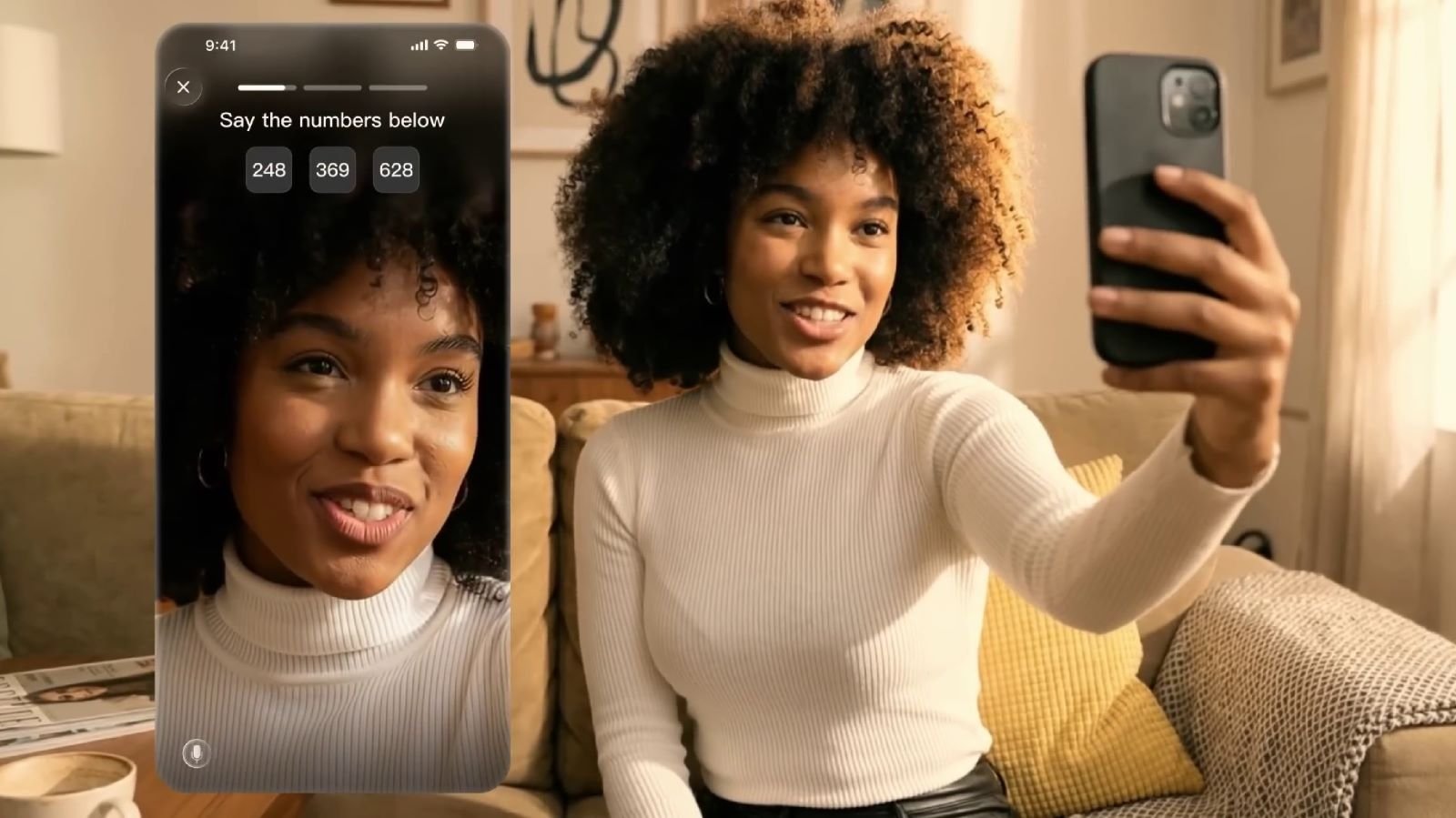
4. Consistent Characters Across Shots
One of the biggest frustrations with AI video has been that your main character looks different in every shot. Kling 3.0 solves this with locked characters and key elements across shots. Camera movement doesn’t break visual continuity.
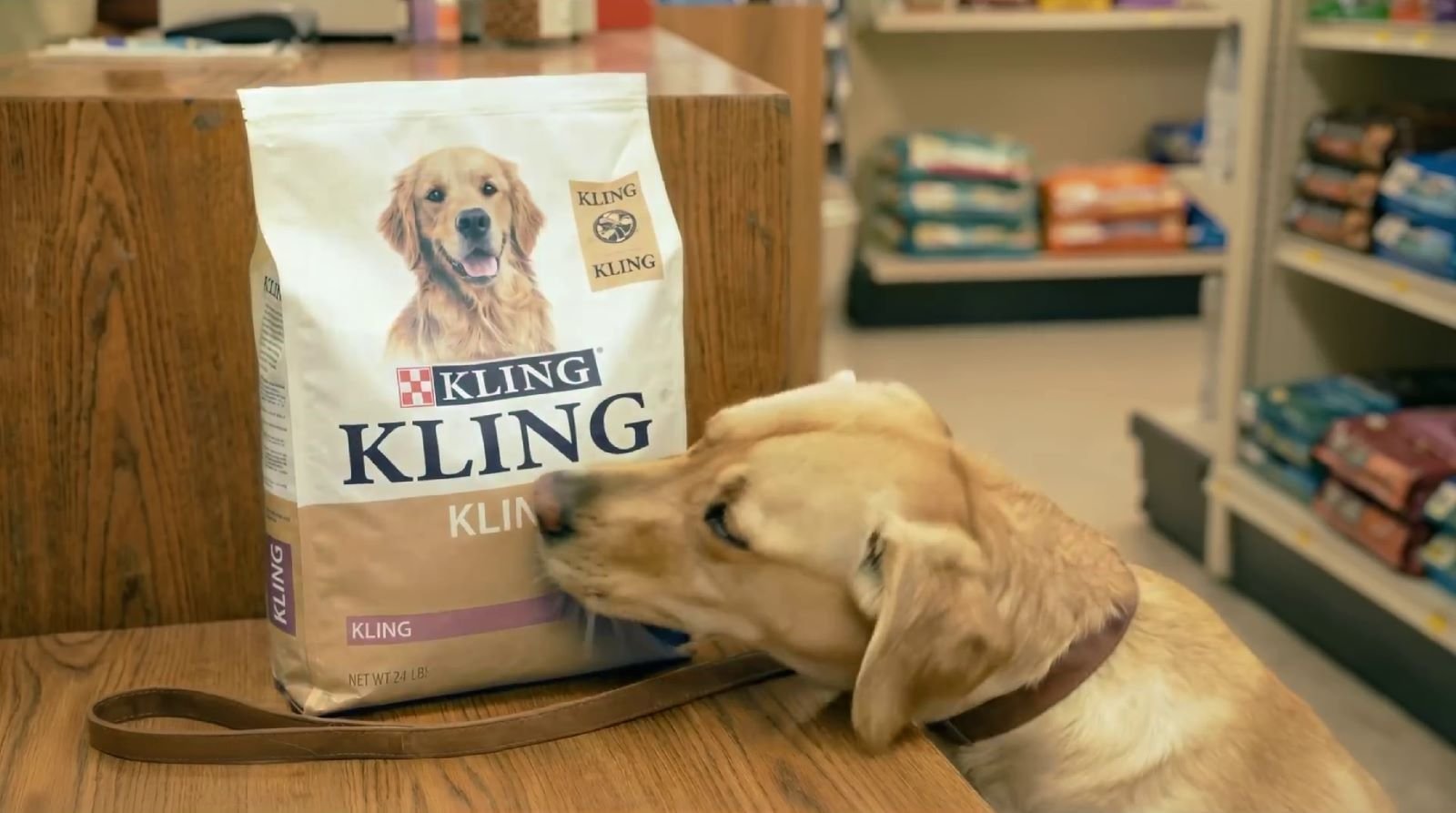
5. Native-Level Text Rendering
Clear, structured text with no information loss. Ideal for ads, subtitles, and e-commerce visuals.
If you’ve ever tried getting AI to generate readable text in video, you know how hard this is. Kling 3.0 nails it.
6. Omni Reference 3.0
Higher subject similarity and stronger instruction following. Translation: what you ask for is what you get—more often than before.
7. Character Element 3.0
Create expressive video characters from short video clips, preserving appearance, motion, and voice tone.
Why This Matters for Brands and Agencies
Let me be clear: I don’t get excited about AI tools just because they’re cool. I get excited about AI tools that solve real problems for my clients.
Here’s what Kling 3.0 changes:
Speed-to-Market Just Got Faster
Traditional video production: weeks of pre-production, shooting, editing, revisions, final delivery.
Kling 3.0 workflow: concept, script, generate, refine. The difference isn’t just speed—it’s the ability to test ideas, iterate in real-time, and pivot when something isn’t working.
Multilingual Content Without Reshooting
Want to run the same video campaign in English, Spanish, Mandarin, and French? With Omni Native Audio, you’re generating localized versions without reshoots.
For global brands, this is a game-changer.
Consistent Brand Narratives at Scale
Multi-shot with AI Director means you’re not just generating individual clips—you’re building scenes. For brands that need to maintain narrative consistency across social feeds, this is huge.
Lower Barriers to Premium Video
Cinematic visuals used to require cinematic budgets. Kling 3.0 brings cinema-quality output (4K for image generation, cinematic rendering for video) to anyone with a subscription.
The Creative Director’s Perspective: What I Love
After 20+ years in this industry, here’s what I’m genuinely excited about:
AI That Thinks Like a Filmmaker
The AI Director feature isn’t just random shot generation—it understands pacing, coverage, and visual storytelling. It’s not replacing directors; it’s extending our ability to visualize ideas rapidly.
Consistency That Makes Production Viable
The biggest blocker to AI video in commercial production has been consistency. You can’t run a brand campaign if your spokesperson looks different in every shot. Kling 3.0’s locked characters solve this.
Audio Integration That Actually Works
Lip-sync AI has been promising for years. Kling 3.0 delivers. When you pair this with multi-language support, you’re looking at genuine localization workflow automation.
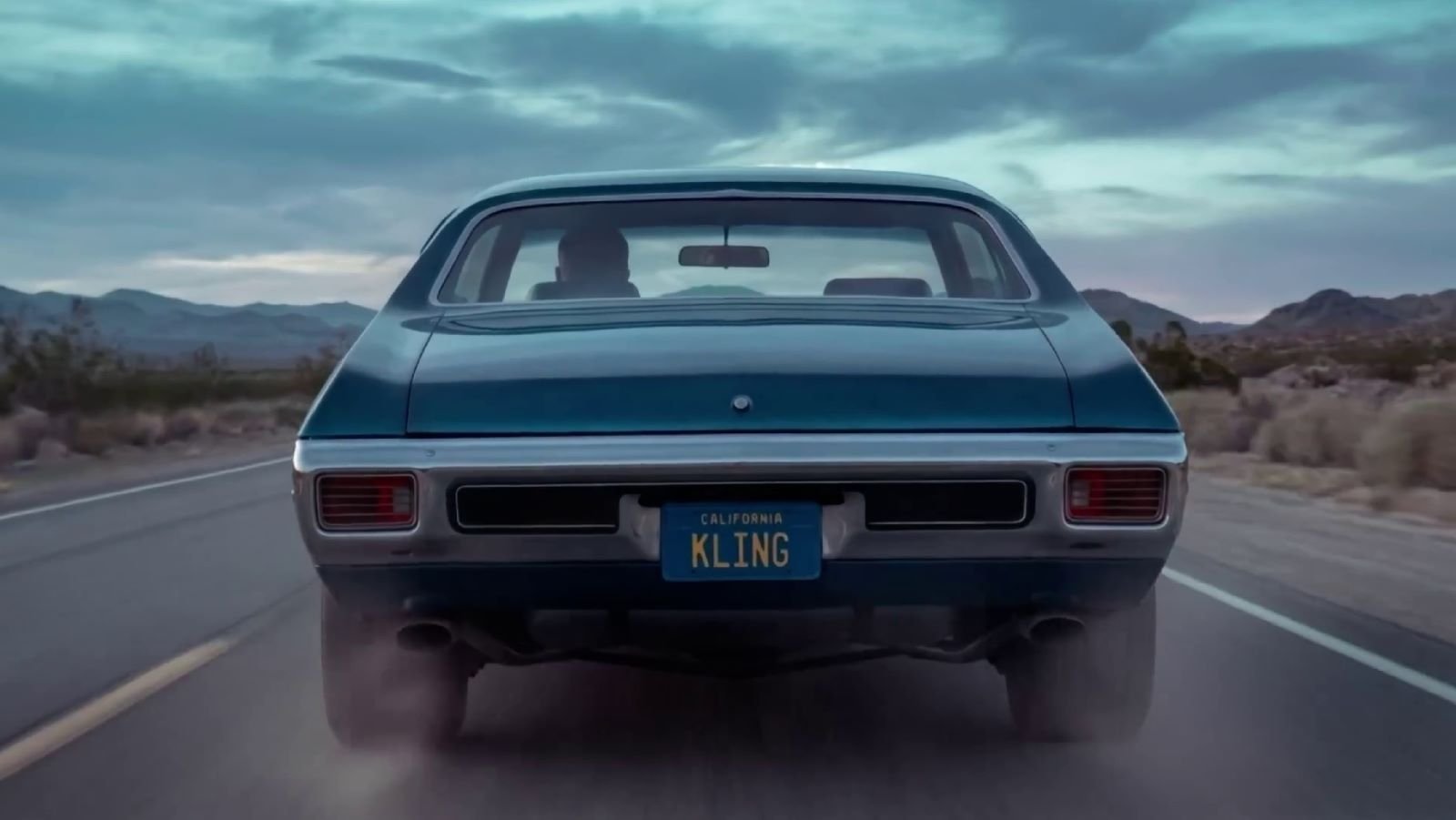
Production-Ready Output
I’ve tested dozens of AI video tools. Most generate impressive demos but fail when you need something you can actually ship. Kling 3.0 feels different—the output is clean, coherent, and ready for final touches.
The Bigger Picture: Where This Is Going
I’ve been saying for a while that AI video isn’t about replacing filmmakers—it’s about democratizing creativity and removing friction from the production process.
Kling 3.0 is a step toward that vision.
In 6 months, I expect to see:
- Small brands running video campaigns that would’ve required 6-figure budgets
- Creators testing video ideas at the speed of text brainstorming
- Agencies using AI for rapid prototyping before committing to full production
- Multilingual campaigns that scale effortlessly across markets
How JZ Creates Is Using Kling 3.0
At JZ Creates, we’re integrating Kling 3.0 into our workflow for:
- Rapid concept development – Test video ideas before committing to production
- Social-first content – Generate 15-second deliverables optimized for TikTok, Reels, and Stories
- Localization – Create multilingual versions without reshoots
- Character consistency – Build ongoing campaigns with locked brand mascots or spokespersons
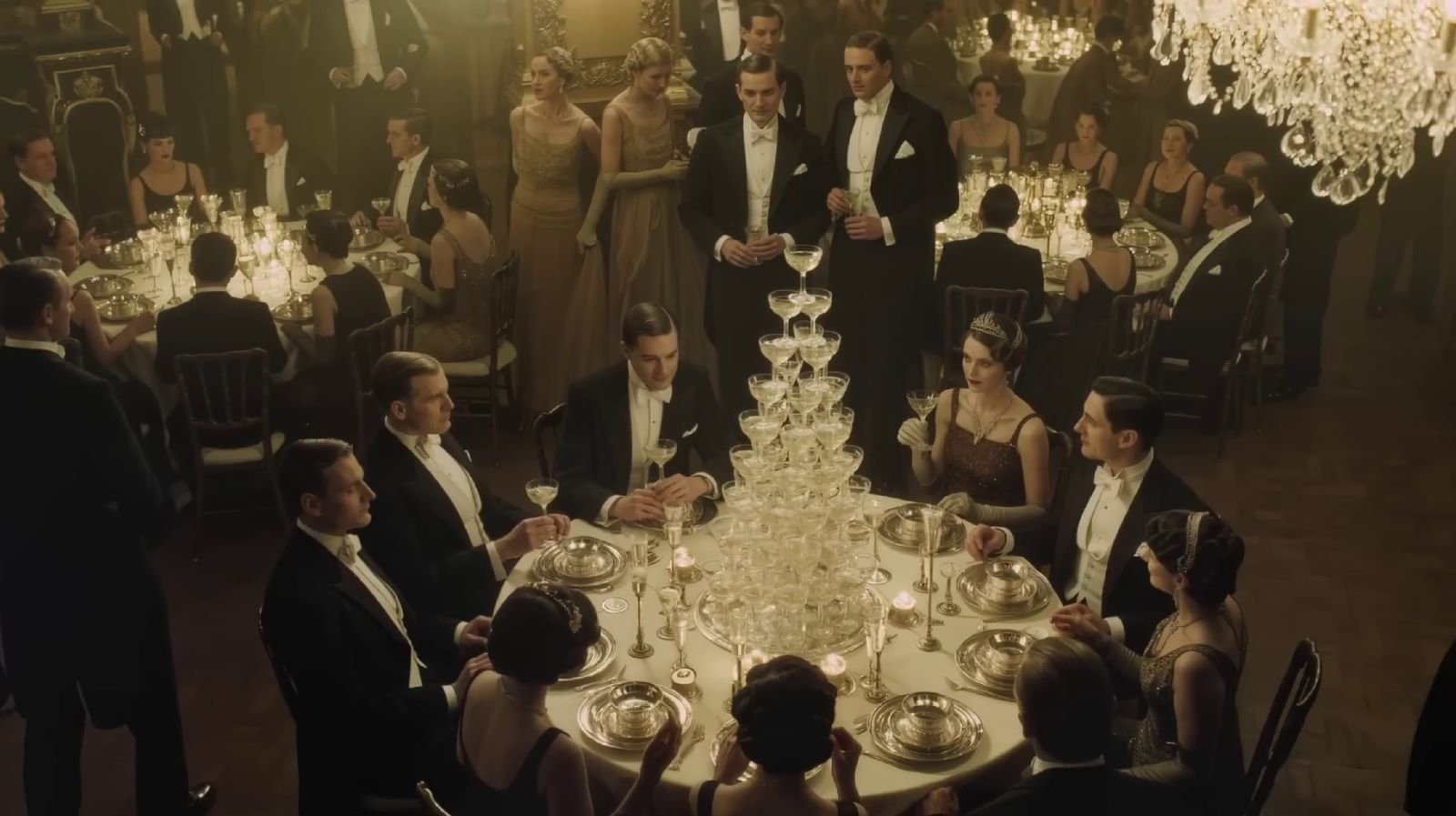
- Premium video for smaller budgets – Bring cinema-quality visuals to brands that couldn’t previously afford it
We’re not replacing our traditional production team—we’re augmenting their capabilities. Kling 3.0 lets us move faster, test more, and deliver more.
What You Should Do Right Now
If you’re a brand, agency, or creator, here’s my advice:
If You’re a Brand:
Start experimenting. The brands that figure out AI video first will have a massive advantage. You don’t need to ship AI-generated content tomorrow—but you need to understand what’s possible.
If You’re an Agency:
Integrate AI tools into your workflow. Clients are going to ask for faster turnaround and lower costs. AI is how you deliver both without sacrificing quality.
If You’re a Creator:
This is your moment. The barrier to premium video just dropped dramatically. Focus on storytelling—the tech will handle the rest.
The Bottom Line
Kling 3.0 isn’t just another AI video tool. It’s a signal of where production is headed.
The brands and creators who embrace these tools early will define the next era of content. The ones who wait? They’ll be playing catch-up.
At JZ Creates, we’re not just watching this transformation—we’re building in it. And if you’re ready to explore what AI video can do for your brand, we’d love to help.
Want to see AI video in action? Book a free strategy session →
FAQ
Is Kling 3.0 available to the public?
Kling 3.0 was released on February 4, 2026. It’s currently available to Ultra subscribers with early access. Public rollout and API access details will be announced by Kling AI. Check the official Kling AI website for the latest availability information.
How much does Kling 3.0 cost?
Pricing details for Kling 3.0 haven’t been officially released yet. When available, expect it to follow a tiered subscription model similar to other AI video tools (free tiers, Pro, Ultra, etc.). Visit the Kling AI website for updated pricing information.
Can I use Kling 3.0 for commercial projects?
Absolutely. One of the biggest advantages of Kling 3.0 is its production-ready output. The consistent character rendering and native text support make it viable for brand campaigns, commercials, and professional content. Just be aware of Kling AI’s licensing terms for commercial use.
How does Kling 3.0 compare to other AI video tools?
Kling 3.0’s key differentiators include: longer video generation (up to 15 seconds vs. typically 4-6 seconds), multi-shot AI Director (understands scripts and automatically creates scenes), Omni Native Audio with accurate lip-sync, and native-level text rendering. These features make it particularly strong for storytelling and commercial content.
Do I need technical skills to use Kling 3.0?
Not at all. Kling 3.0 is designed to be accessible to creators of all skill levels. While it helps to understand video production concepts, the tool handles the technical execution. That said, understanding narrative structure, pacing, and visual storytelling will help you get better results.
Can I try Kling 3.0 before committing to a paid plan?
Yes. Kling AI typically offers free trials or lower-tier plans so you can test the tools before upgrading. Check their website for current trial options and free tier limitations.
Related Reading
Want to dive deeper into AI video and what it means for your brand? Here’s what we’ve been exploring at JZ Creates:
- How We Turned Shaq into Shaqzilla: An AI Video Campaign That Hit 1 Million+ Views – Our case study on using AI video for a major celebrity campaign
- How AI in Luxury Brand Marketing Campaigns Changes Everything – AI’s role in premium content creation
- Disney’s $1 Billion OpenAI Investment – What major media companies see in AI’s future
- YouTube for Marketing – Video strategy in the AI era