The Best AI Tools for Market Research in 2026: We Tested Them So You Don’t Have To!

Sponsored
Sponsored
A full market research report used to cost five figures and take six weeks. Last month we ran a competitive analysis, a customer sentiment pass, and a positioning brief for a client in a single afternoon. The bill was basically the cost of a few software subscriptions. That gap is the whole story of AI tools for market research in 2026, and it’s why every marketing leader we talk to is quietly rebuilding how their team gathers insight.
So we tested the field. Not the demos, the real workflows. Here are the AI tools for market research that actually earn their seat, the prompts we use to get reports worth reading, and an honest take on where they fit next to the old playbook.
Key Takeaways
- AI tools for market research compress weeks of secondary research, survey analysis, and competitive intelligence into hours, at a fraction of traditional report costs.
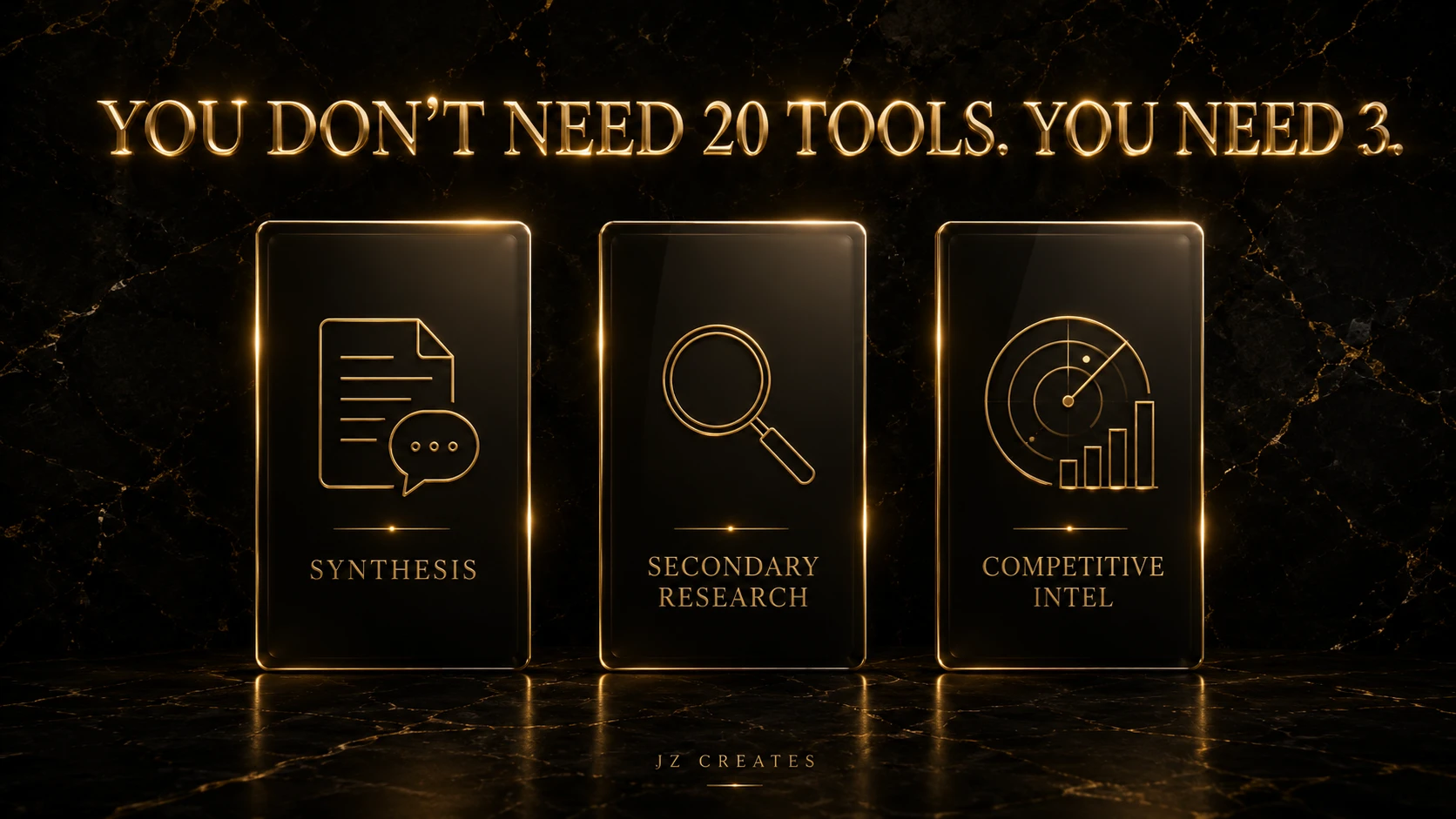
- No single tool wins. The smart move is a small stack: one research assistant, one synthesis engine, one competitive intelligence platform.
- The output quality lives in the prompt. A sharp brief gets you a boardroom slide. A vague one gets you a search summary.
- Copy-paste prompt templates are the fastest on-ramp, and we’ve included ours below.
- AI augments traditional market research, it doesn’t retire it. Primary data and human judgment still set the direction.
What AI Tools for Market Research Actually Replace
Let’s be clear about what’s changing, because the headlines oversell it. AI tools for market research are not replacing your strategic brain. They’re replacing the slow, manual middle: the days spent pulling reports, reading reviews, tagging survey responses, and stitching it all into something a CMO can act on.
The global market research industry is worth tens of billions of dollars, and a huge slice of that spend is labor on tasks that AI now handles in minutes. Think secondary research synthesis, competitor monitoring, sentiment analysis, and first-draft reporting.
What stays human? Deciding which questions matter, designing primary research, and reading between the lines of what the data implies for your brand. The teams winning right now use AI for the volume work so their people spend more time on the judgment work. That’s the same principle behind a strong AI content strategy, just pointed at insight instead of output.

The Best AI Tools for Market Research in 2026
We grouped the best AI tools for market research by the job they do best. You don’t need all of them. You need one strong pick in each of the first three categories.
Claude and ChatGPT for synthesis
This is where raw information becomes a brief, and it’s the part we lean on most. We paste research notes, transcripts, and competitor copy into Claude or ChatGPT and ask for structured synthesis: themes, gaps, positioning angles, a SWOT. Claude handles long documents especially well, so it’s our first pick for digesting a stack of reviews or a 40-page report into something a team can actually use.
Perplexity for fast secondary research
Perplexity is the specialist for live web answers with inline citations, which means you can verify the source instead of trusting a confident paragraph. For quick market sizing, trend checks, and “who are the players in this space” questions, it’s a fast honest starting point.
AlphaSense for serious market intelligence
When the stakes are high, AlphaSense pulls from earnings calls, filings, and expert research with AI search on top. It’s an enterprise budget, but for finance-grade market intelligence it’s in a class of its own.
Crayon and Brandwatch for competitive and social listening
Crayon tracks what your competitors are doing across their digital footprint, and Brandwatch listens to what the market is saying about all of you. Together they answer the two questions every brand keeps asking: what is everyone else doing, and how do people feel about it?
SE Ranking for search-driven research
A lot of market intent shows up in search. We use SE Ranking to see what your audience actually types, which competitors own those terms, and where the demand is growing. It’s an SEO platform on the surface, but it doubles as a real-time demand signal for any market.
AI Market Research Prompts You Can Copy
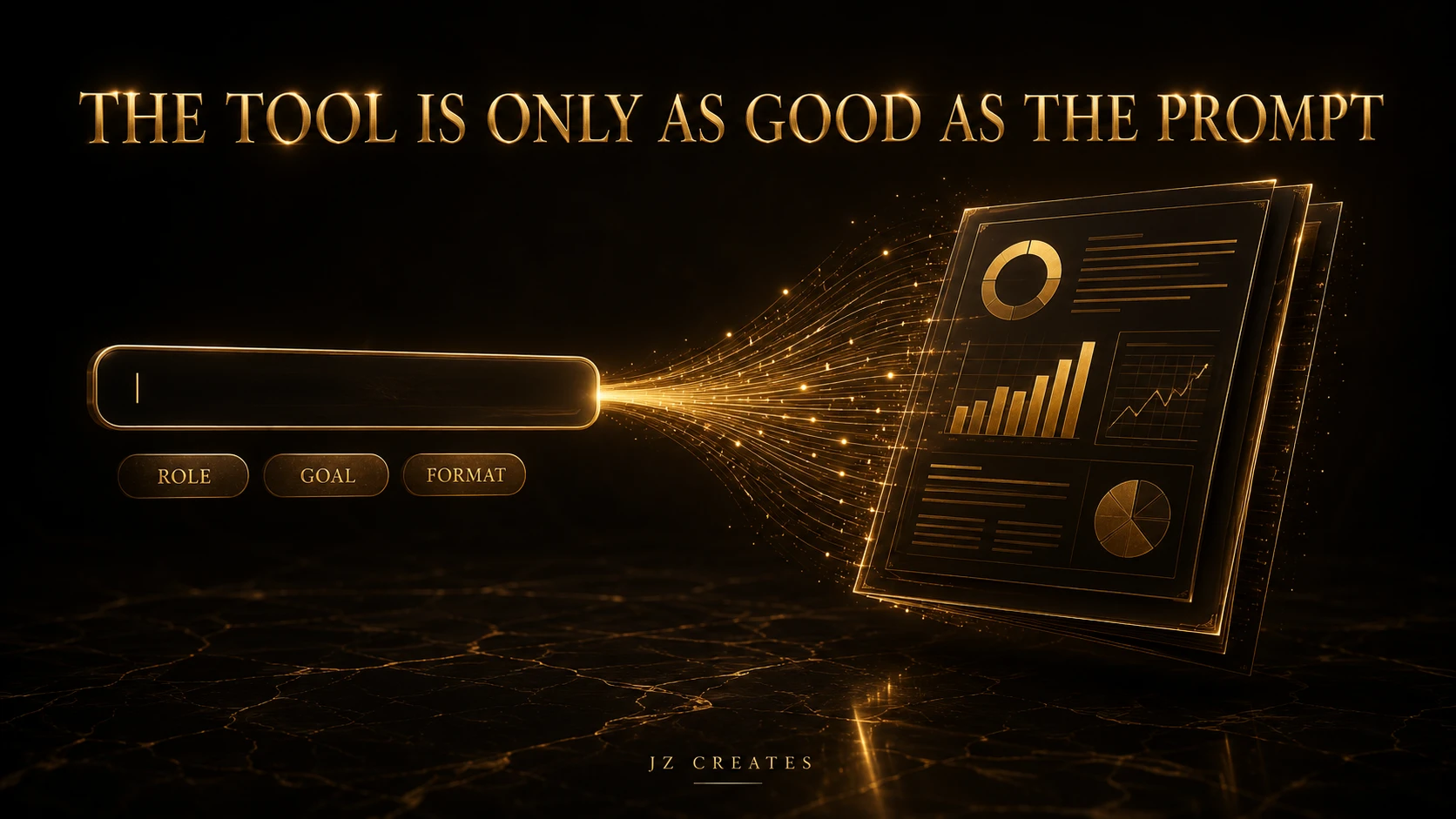
Here’s the part most roundups skip. The tool is only as good as the prompt. These are the templates we reuse every week, lightly cleaned up so you can paste them straight in.
How we prompt AI tools for market research
The trick is to give the model a role, a goal, and a format. Vague in, vague out. Try these:
Competitive teardown: “You are a senior market research analyst. Compare [Brand A], [Brand B], and [Brand C] in the [industry] market. For each, summarize positioning, target audience, pricing signals, and their strongest message. Then list three gaps none of them are filling. Format as a table followed by a short opportunity summary.”
Customer sentiment pass: “Here are [paste reviews or survey responses]. Identify the top five themes by frequency, label each as positive, neutral, or a request for improvement, and pull one representative quote per theme. End with the single change that would move satisfaction the most.”
Market opportunity brief: “Act as a strategy consultant. For the [industry] market in 2026, outline the top three emerging trends, the audience segment growing fastest, and one underserved need a premium brand could own. Keep it to one page a CMO could present.”
Save the ones that work as your own internal library. That library becomes a genuine asset, and it’s the seed of a great lead magnet too. We package ours as a free prompt pack that feeds our newsletter list through GoHighLevel.
AI vs Traditional Market Research Tools
Let’s keep this honest, because the answer is not “AI wins.” Traditional market research tools like survey platforms, panels, and focus groups still do something AI can’t: generate fresh primary data from real people you choose.
What AI changes is everything around that data. It designs sharper survey questions, analyzes open-ended responses in seconds, and turns raw results into a narrative. So the strongest setup pairs both. Use traditional tools to gather primary signal, and use AI tools for market research to design, analyze, and report on it faster than your old process ever could.
The brands getting this wrong treat AI as a full replacement and ship insights built entirely on secondhand web data. The brands getting it right treat AI as an amplifier for great thinking, the same way we treat it in generative AI marketing and across our AI creative services.
What We Actually Use at JZ Creates
We run JZ Creates, a creative agency in Los Angeles focused on content and AI for brands, and we’re building AIGrowthZ, a third agency built specifically for automation. Coming from 20-plus years producing campaigns for major studios, we care about one thing with research: does it lead to creative that performs?
Our working stack: Claude for the first pass and the heavy synthesis, ChatGPT for a second opinion, SE Ranking and DataForSEO for live demand data, and n8n to automate the routine work so a fresh competitive snapshot lands in our inbox every Monday. That automation layer is the multiplier. It turns research from a project into a habit.
The Bottom Line
AI tools for market research are the biggest jump in marketing speed we’ve seen in years. They won’t make the strategic decisions for you, and they shouldn’t. But they hand your team hours back every week and put boardroom-quality insight within reach of a lean budget. Start with three tools, build a prompt library, and let automation carry the routine.
If you want help turning research into creative that actually moves the numbers, that’s exactly what we do. Reach out through our contact page and let’s talk.
Frequently Asked Questions
What are the best AI tools for market research in 2026?
The strongest picks are Claude and ChatGPT for synthesis and reporting, Perplexity for fast cited secondary research, AlphaSense for enterprise market intelligence, and Crayon plus Brandwatch for competitive and social listening. Most teams only need one tool from each category, not all of them.
Can AI tools for market research replace a research agency?
Not entirely. AI handles secondary research, analysis, and first-draft reporting beautifully, but it can’t design primary studies or make the strategic call on what to do with the findings. The best results come from pairing AI speed with human judgment.
How much do AI market research tools cost?
General assistants like Perplexity, ChatGPT, and Claude run around 20 to 30 dollars per month per seat. Specialist platforms like AlphaSense, Crayon, and Brandwatch are enterprise priced. A capable starter stack costs less than a single traditional research report.
What is the best AI prompt for market research?
Give the model a clear role, a specific goal, and a required format. A competitive teardown prompt that asks for positioning, audience, pricing signals, and gaps in a table will outperform a vague “research this market” request every time. Save the prompts that work as a reusable library.
Are AI market research tools accurate?
They’re as accurate as their sources, which is why citation-based tools like Perplexity matter. Always verify key numbers against the original source, and use AI for synthesis and speed rather than as the final word on a high-stakes decision.

About Jay Hernandez
Jay Hernandez is an award-winning Creative Director with 20+ years of driving standout campaigns for top brands. Based in Los Angeles, he blends deep creative expertise with cutting-edge AI tools to help businesses and marketing teams unlock bold, breakthrough ideas that deliver real impact. If you are ready to elevate your brand and turn big visions into unforgettable campaigns, connect with Jay and make it happen.
Share This Article
Sponsored