AI UGC Ads: How Brands Create Authentic Content at Scale
Sponsored
Sponsored
Key Takeaways
- AI UGC ads recreate the casual, phone-shot look of creator content with AI actors, voices, and edits, so a brand can test far more hooks without booking a shoot for every idea.
- The format shines for hook testing, product demos, explainers, and localization. Personal testimonials and results claims belong to real customers.
- Authentic feeling comes from the script and the small details (natural pacing, real product handling, imperfect framing), not from the avatar alone.
- Disclosure is part of the craft: the FTC’s rule on fake reviews covers AI-generated testimonials, and TikTok asks creators to label realistic AI content.
- The strongest setup we’ve seen is hybrid: one consented real creator session as the anchor, AI versions as the multiplier.
Scroll any feed for thirty seconds and you’ll find one: someone in a sunlit kitchen, phone at arm’s length, telling you about the serum that changed their mornings. More and more of those clips are now made without a kitchen, a phone, or a person in the room. AI UGC ads have gone from a growth hacker experiment to a real line in paid social plans, and DataForSEO keyword data shows searches for “ai ugc” up roughly 81% year over year.
So how does a brand get the speed without giving up the trust that made UGC work in the first place? Let’s dig in.
What Are AI UGC Ads?
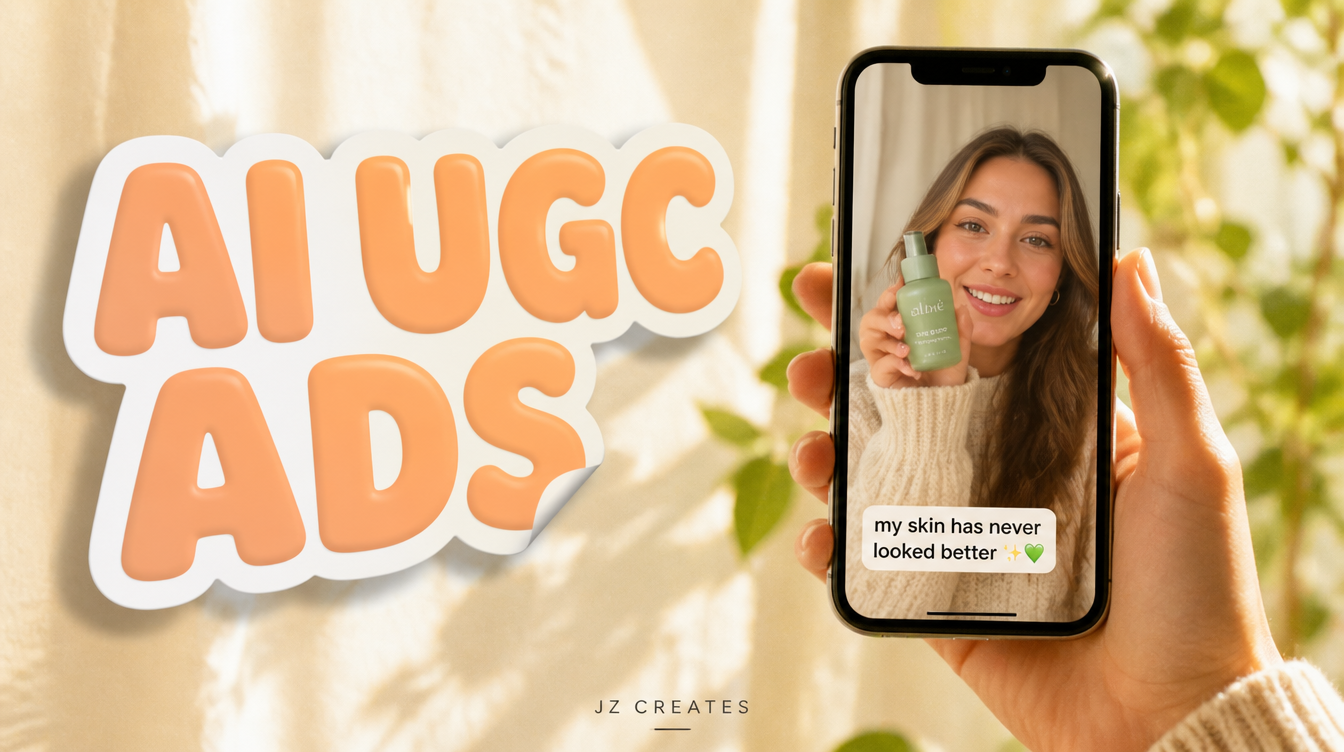
AI UGC ads are short social videos that borrow the look and feel of user-generated content (vertical phone framing, a person talking straight to camera, casual captions) but are produced with AI. A scripted AI actor or AI-generated footage, a synthetic voice, and fast mobile-style editing replace the traditional creator shoot. They’re built for paid placements on TikTok, Reels, and Shorts.
Think of it as three ingredients working together:
- The performer: an AI actor, an AI-generated scene, or a licensed digital version of a real creator.
- The voice: a natural-sounding synthetic voice with pacing that matches how people actually talk on camera.
- The edit: jump cuts, bold captions, and a slightly imperfect handheld feel, so the ad reads like content first and an ad second.
The realism of the small things (lip sync, hands holding a product) now holds up in a feed. That’s exactly why the strategy matters more than the tool.
When AI UGC Ads Fit a Brand and When Real Creators Win
Here’s the honest version: AI UGC is a fantastic tool for some jobs and a supporting player for others. Before a single frame gets generated, we run every brief through a quick fit test.
- Is the message a demo or an explanation? “Here’s how this blender handles frozen fruit” works beautifully with an AI actor. “This changed my life” is a personal claim, and it should come from a person who lived it.
- Do you need volume? If the plan is testing ten hooks against the same offer, AI pays for itself. If you need one hero spot, a real shoot may be the better investment.
- Is the product easy to show? Packaged goods, apps, and gadgets render well. Products with complex textures or fit (apparel on a body, fine jewelry up close) still benefit from real footage.
- Do you need several markets or languages? Localizing one approved script into five languages is one of the clearest wins in the whole category.
- Can a human review every version? If nobody owns final approval, slow down until someone does.
Real creators still carry the load where identity is the point. A music festival’s fan community wants to see real attendees. A book author’s readers follow the author, not an avatar. Luxury brands built on face-of-brand relationships protect that relationship carefully. We dug into what makes platform-native creative land in our guide to AI TikTok video, and the same rule applies here: the platform rewards content that feels like it belongs there.
How to Produce AI UGC Ads That Feel Native: Our Workflow
Here’s the process we use. Notice the AI tools show up in the middle, not at the start.
Step 1: Start from real hooks, not a blank page
Pull the top organic posts and comment threads in your category and ask Claude to break them down: the opening line, the problem named, the moment the product appears, the call to action. Real audience language beats marketing language every time.
Step 2: Write the script the way people actually talk
UGC scripts lose people the moment they sound like a brochure read aloud. Keep sentences short, put the hook in the first two seconds, and let the speaker react to the product instead of reciting features. Here’s the prompt pattern we use to draft hook variations:
AI UGC ads prompt: “You are a UGC scriptwriter for [brand]. Our product is [product] for [audience]. Write 8 opening hooks under 12 words each, spoken casually to a phone camera. Each hook must name one specific problem from this list of real customer comments: [paste comments]. No hype words, no claims about personal results, and one hook must start with a question.”
Step 3: Cast the AI actor to match the real audience
Match age, setting, and energy to the real buyers. A kitchen gadget for busy parents gets a morning countertop scene. A festival lineup explainer gets a golden hour outdoor energy. We generate footage through Kie.ai, a pay-as-you-go platform that gives access to multiple AI video and image models without forcing a subscription, and we always feed real product photos as references so the packaging is accurate.
Step 4: Give the voice room to breathe
Natural pauses and a sentence that restarts halfway make a voice feel human. ElevenLabs gives us fine control over pacing and emotion, so we can direct a read the same way we’d direct a creator on set.
Step 5: Edit like a phone, not a studio
Fast assembly, bold captions, and quick versioning are where Invideo earns its place, especially when one script needs vertical, square, and landscape cuts. Add licensed music and sound effects from Envato Elements so every track is cleared for paid use.
Step 6: Test AI UGC ads in batches
Ship five to ten hooks against the same body and offer, then read the early signals: thumb-stop rate, three second holds, and click-through. Give every hook a fair read before deciding. Scale the winners, retire the rest, and feed what you learned back into Step 2. We cover the creative side of scroll stopping in our breakdown of AI Instagram content that stops the scroll.
The Hybrid Model: Real Creators as the Anchor
The setup we recommend most often to brand teams blends both worlds. Book one real creator session. Capture their performance, their voice, and a library of product handling shots, with a contract that clearly covers AI versions of their likeness and how long those versions can run.
Then the multiplication starts. That single session becomes dozens of hook variations, localized cuts, and seasonal refreshes, all built on a real person who genuinely used the product.
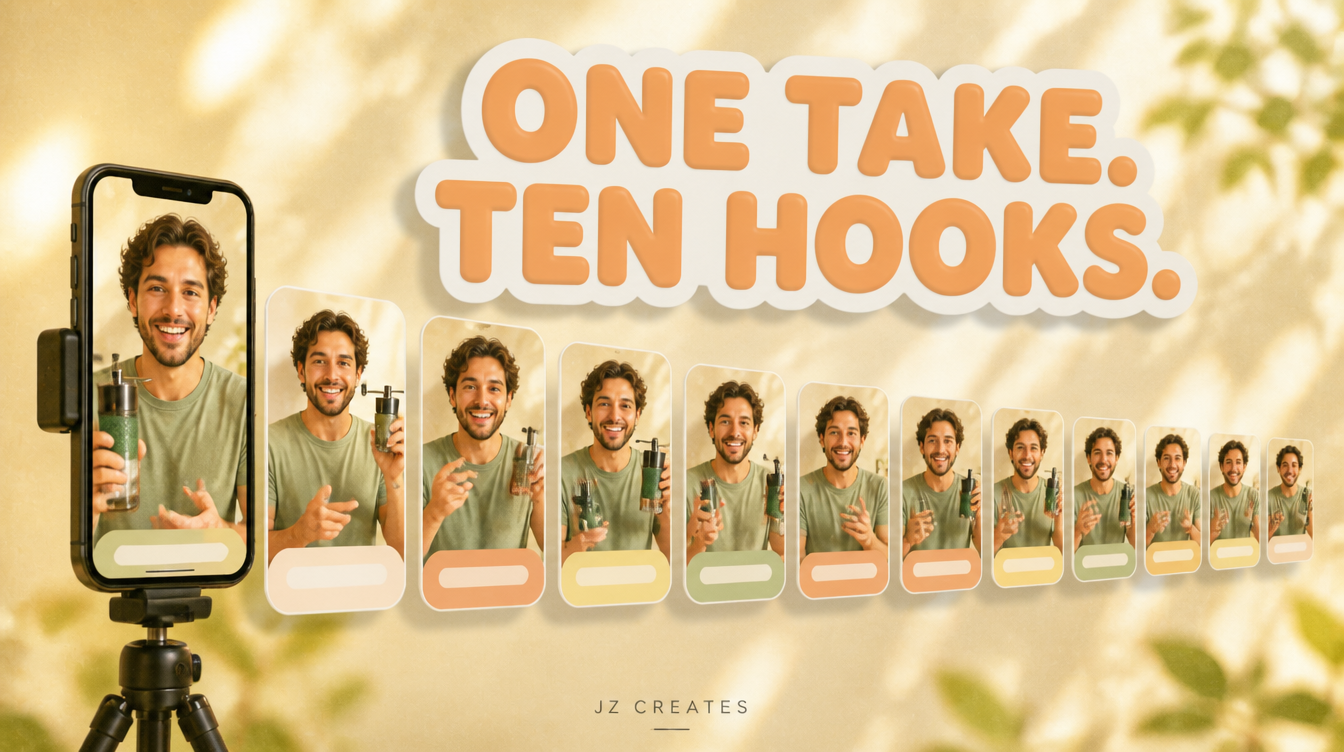
This is the same principle behind AI personalized video: one strong source performance, tailored many ways for different audiences.
“The avatar never makes the ad feel authentic. The script, the details, and the honesty do.”
Keeping AI UGC Ads Honest: Disclosure and Trust
Are AI UGC ads legal? In the US, yes, as long as they don’t deceive. The FTC’s final rule banning fake reviews and testimonials, in effect since October 2024, prohibits testimonials from people who don’t exist or never used the product. So AI actors should demonstrate and explain, never pose as real customers.
TikTok asks creators to label realistic AI-generated content and may apply an “AI-generated” label automatically, as explained on its AI-generated content support page. Meta and YouTube offer their own disclosure settings, so check each platform’s current policy before launch.
Here are the habits we build into every AI UGC program:
- Demonstrate, don’t testify. AI performers show how the product works. Personal results and reviews come from real customers.
- Label realistic AI content using each platform’s native disclosure tools.
- Get written consent for any real person’s likeness or voice, with AI use spelled out.
- Keep claims accurate, especially in beauty, wellness, and food, where a generated shot can accidentally promise more than the product delivers.
- Send AI assets through legal review at the same stage as traditionally produced ads. (Nothing here is legal advice, so loop in your own counsel.)
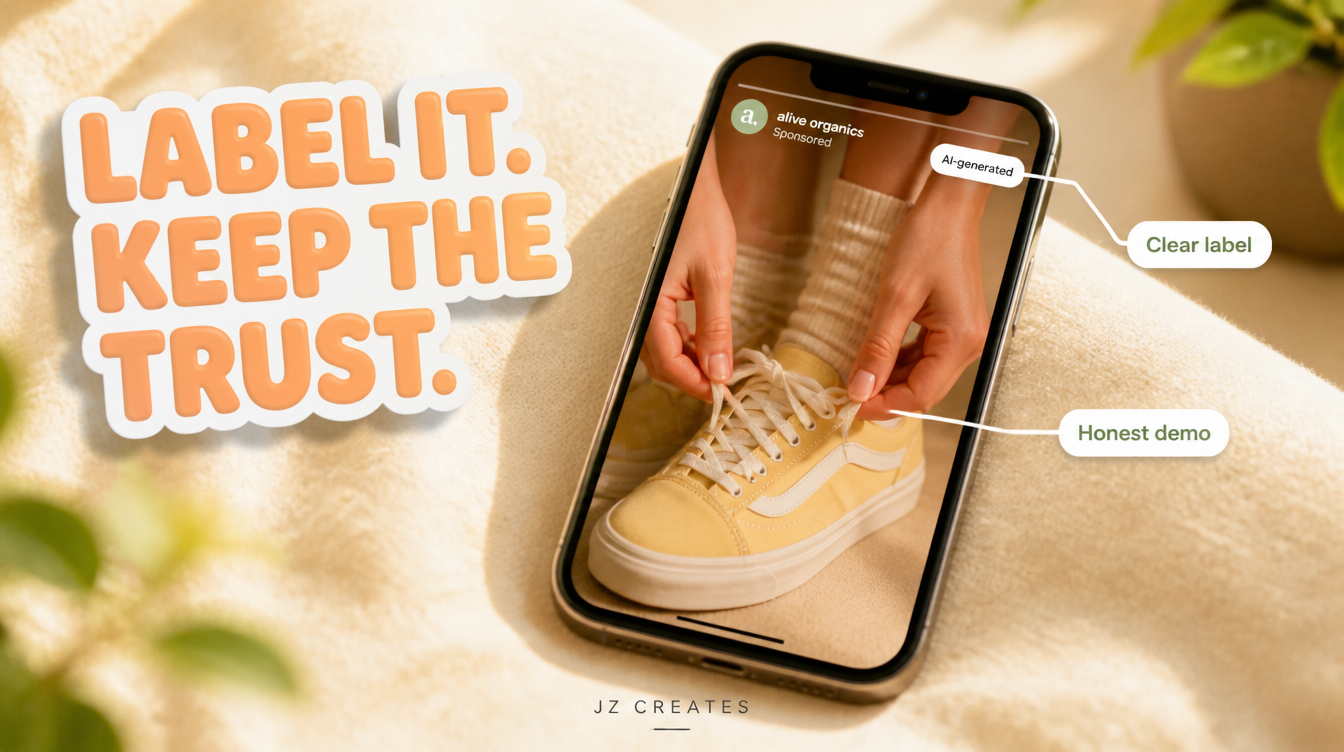
We made a similar case for provenance at the campaign level in our piece on generative AI advertising.
What We Actually Use at JZ Creates
We run JZ Creates, a creative agency in Los Angeles focused on content, AI, and automation for brands across consumer products, luxury, music festivals, authors, entertainment, and events. Before that, our team spent 20+ years at LA creative agencies producing campaigns for major Hollywood studios, so we treat a 15 second UGC spot like a hero film.
Here’s the stack behind the workflow above: Claude for hook research and scripts. Kie.ai for AI actor footage and product scenes. ElevenLabs for voice direction. Invideo for fast assembly and multi-format versions. Envato Elements for licensed music and sound design. Our AI creative services page shows how we partner with brand teams on production, and our AI automation services connect finished ads to the testing and reporting loop.
The Bottom Line
If you’re planning AI UGC ads for your next launch, from the first batch of test hooks to a full hybrid program with real creators, that’s exactly the kind of work our team builds for brands every week. At JZ Creates, we specialize in producing captivating and engaging content for social and digital media. If your project needs highly creative content, contact us so we can bring your vision to life!
Frequently Asked Questions
What is an AI UGC ad?
An AI UGC ad is a short social video that looks like creator-made content, with vertical framing, a person speaking to camera, and casual captions, but is produced with AI actors or footage, a synthetic voice, and quick mobile-style editing.
Can you use AI for UGC?
Yes. AI works well for UGC-style product demos, explainers, hook testing, and localized versions of an approved script. It fits best when the message shows how a product works rather than sharing a personal experience, and when a person reviews every version before it runs.
Are AI UGC ads legal?
In the US, AI UGC ads are legal when they don’t mislead viewers. The FTC’s rule on fake reviews and testimonials, effective October 2024, prohibits testimonials attributed to people who don’t exist or never used the product. Use AI performers for demonstrations, label realistic AI content, and run assets through legal review.
Is AI UGC allowed on TikTok?
Yes, with disclosure. TikTok requires creators to label realistic AI-generated content and may apply an “AI-generated” label automatically, for example when a file carries C2PA Content Credentials. Check TikTok’s current advertising and AI policies before a paid launch.
Do AI UGC ads actually work?
They can perform well for hook testing and product demos because a brand can test many openings quickly and scale the winners. Many brands get the strongest results pairing AI versions with one real creator session as the anchor.

About Jay Hernandez
Jay Hernandez is an award-winning Creative Director with 20+ years of driving standout campaigns for top brands. Based in Los Angeles, he blends deep creative expertise with cutting-edge AI tools to help businesses and marketing teams unlock bold, breakthrough ideas that deliver real impact. If you are ready to elevate your brand and turn big visions into unforgettable campaigns, connect with Jay and make it happen.
Share This Article
Sponsored