AI Marketing Videos: 9 Examples That Actually Convert
Sponsored
Sponsored
Key Takeaways
- The strongest AI marketing videos are built around one job each: stop the scroll, earn the click, or close the sale. We sort nine proven styles by that job.
- AI marketing videos win on volume of good ideas, not volume of clips. One approved master concept can become a dozen audience specific cuts.
- Every example below comes with the approach and a prompt pattern you can adapt today.
- Real customer words, real product photos, and a clear offer are what turn a pretty AI clip into a converting one.
- Pay-as-you-go model access and a light automation layer keep the cost per finished video low without lowering the look.
Here is a pattern we keep seeing on the brand side: the AI marketing videos that get remembered are rarely the most technically dazzling ones. They are the ones where somebody decided, before generating a single frame, what the viewer should do next.
That one decision changes everything about how you prompt, how you cut, and how you measure. So instead of a tour of tools, this is a gallery of nine formats, grouped by the job each one does in a campaign. Think of it as a shot list you can hand to your team on Monday.
AI Marketing Videos That Stop the Scroll
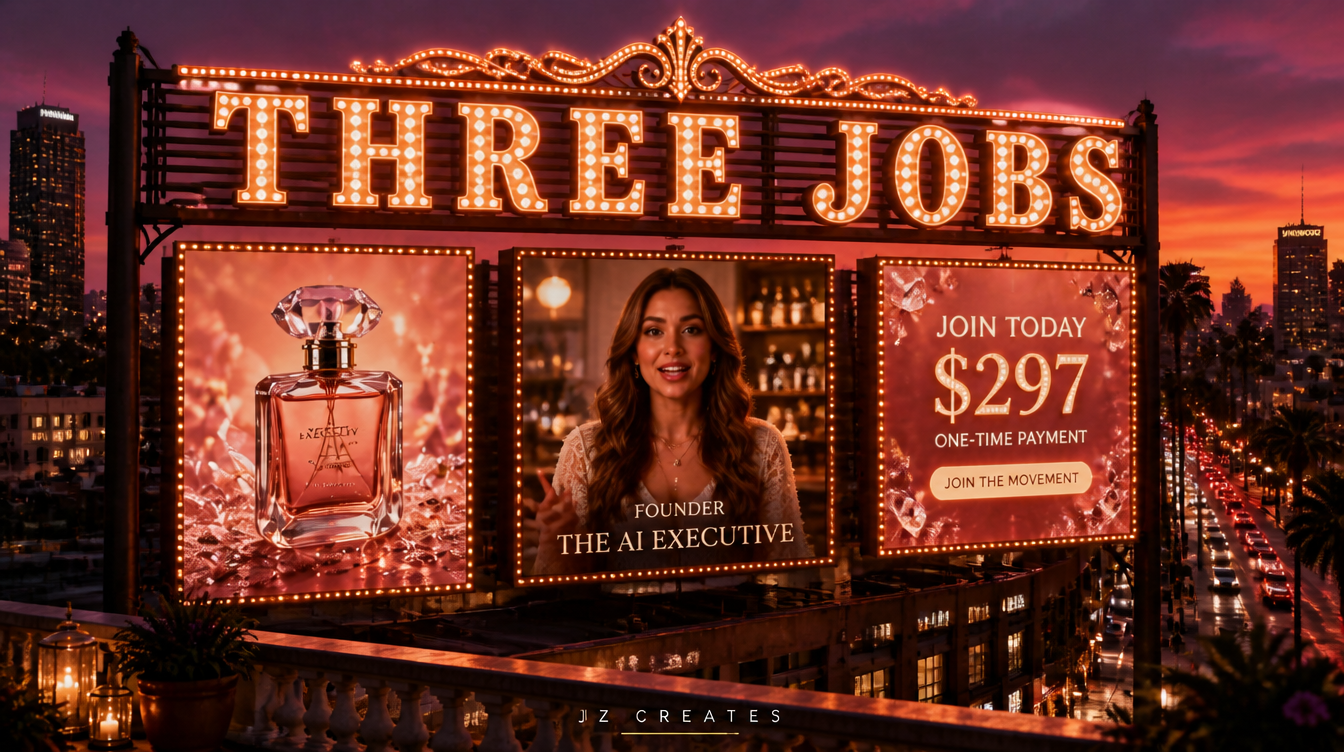
The first two seconds decide everything on a vertical feed. These three styles are built to earn the next five.
1. The Product Hero Macro
A single product, a single surface, one slow camera move. Water beading on glass, steam lifting off a coffee, light sliding across a bottle’s shoulder. It is the format luxury and consumer product brands lean on because texture reads instantly, even with the sound off.
Why it converts: it borrows the confidence of a big studio product shot and puts it in front of a shopper in the exact moment they are deciding whether to keep scrolling.
“Slow macro push toward a frosted glass serum bottle on wet black slate, single warm key light from the left, water droplets sliding down the glass, shallow depth of field, no text, 6 second continuous shot”
2. The Cinematic Mood Teaser
Six to eight seconds that sell a feeling before they sell a feature. A festival crowd lit from behind, a book cover glowing in a dim library, a hotel corridor at golden hour. No voiceover, one line of on-screen text, and a logo at the end.
Why it converts: it builds familiarity. When the follow-up offer lands a few days later, the audience already has a feeling attached to the brand.
3. The Stylized Motion Loop
Short, punchy, seamless. A product tumbling through a burst of color, a logo unfolding into a pattern, an icon pulsing with the beat of the audio. These are the loops that hold viewers on a feed because the ending flows back into the start.
Why it converts: loops raise average watch time, and platforms reward watch time. Fast image-to-video models handle this style well, which we covered in our Seedance breakdown.
AI Marketing Videos That Earn the Click
Attention is earned. Now the video has to explain why this brand, why now, in under thirty seconds.
4. The Founder to Camera Spot
A founder or spokesperson speaks directly to the viewer about one idea. AI does the heavy lifting behind the scenes: a clean script, a cloned voice for consistent audio across dozens of versions, and generated b-roll to cover the cuts. We use ElevenLabs for voice work, and the difference between a flat read and a warm, paced one is enormous.
Why it converts: a human face and a specific point of view build trust faster than any product reel. AI just removes the retakes.
“Write a 25 second founder to camera script for a boutique tea brand. One idea only. Open with a question, give one surprising detail about sourcing, end with a single clear invitation to try the starter set. Conversational, no jargon, under 60 words.”
5. The Before and After Transformation
Two frames, one story. A cluttered patio becomes a styled outdoor lounge. A plain book launch page becomes a full campaign. A tired product photo becomes a hero shot. AI handles the transformation sequence smoothly, and the viewer supplies the emotion.
Why it converts: the brain loves a resolved story. The gap between the two frames is the sales pitch.
6. The Kinetic Explainer
Bold type, simple shapes, a voice that moves at the pace of a good conversation. Perfect for a service, a feature, or a process that is easy to describe and hard to picture. Motion templates from Envato Elements give the frame structure, and AI fills in the custom visuals and the polish.
Why it converts: it compresses a paragraph of copy into fifteen seconds someone will actually watch.
AI Marketing Videos That Close the Sale
By the time someone is comparing options, they do not need more mood. They need proof and a reason to act.
7. The Social Proof Montage
Real customer quotes, pulled from real reviews, appear as clean on-screen text over generated scenes that match the moment each quote describes. The words are the customer’s own. The visuals give them a home.
Why it converts: it borrows credibility from people who are not the brand. Just keep every quote genuine and attributed the way the customer approved.
8. The Seasonal Offer Spot
Holidays, festival weekends, launch days, book release week. A time boxed offer needs fresh creative on a deadline, and this is where AI compresses a production schedule from weeks to days. One master concept, refreshed with seasonal color, copy, and end card.
Why it converts: urgency is real when the date is real, and speed to market beats perfect timing every time.
9. The Retargeting Family
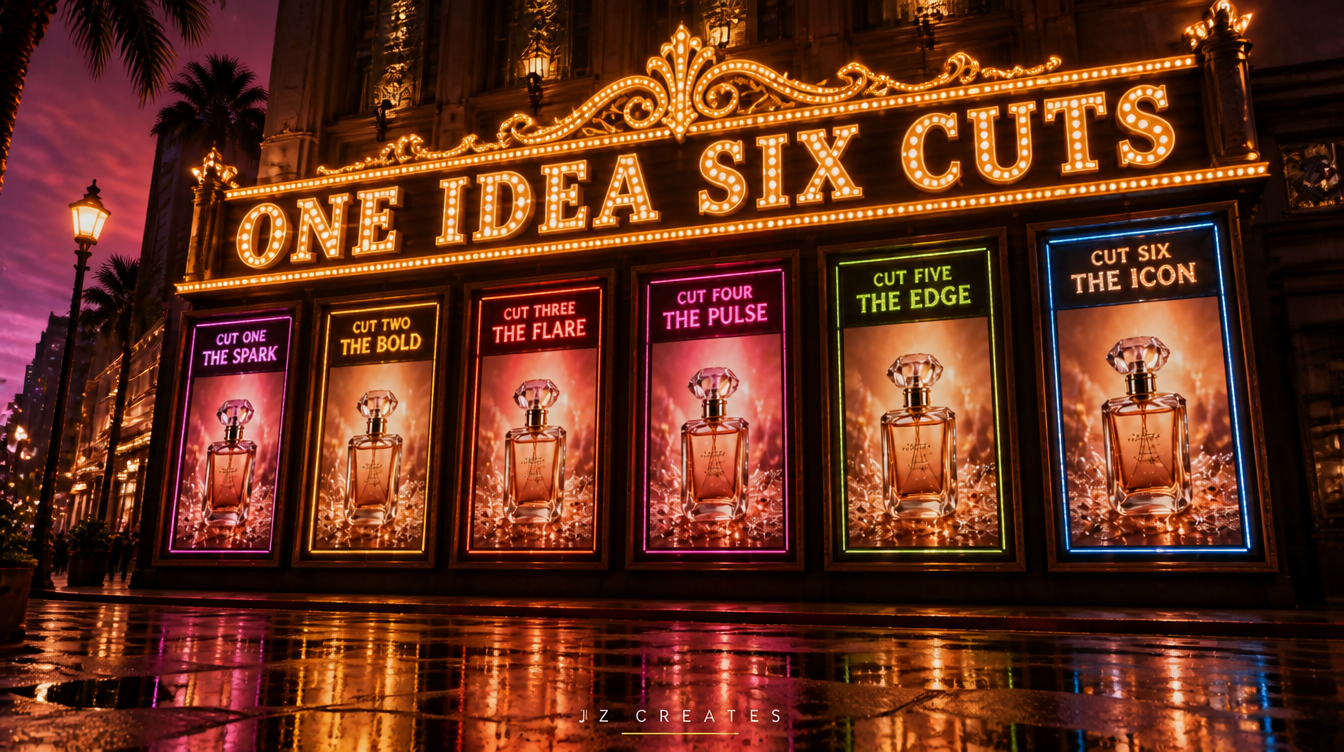
One approved master video, cut into a set of variations: a different opening line per audience, a different first frame per placement, a different offer per stage. Six versions from one concept is now an afternoon of work, not a week.
Why it converts: the same viewer rarely needs to see the identical ad twice, and testing several openings shows you which one deserves the budget.
“Take this 20 second master spot and write six alternate hooks for the first two seconds: one for returning visitors, one for cart abandoners, one for first time viewers, one for existing customers, one for a gift buyer, and one for a bulk buyer.”
What Separates Converting AI Marketing Videos From Forgettable Ones
Across all nine formats, the same four habits show up.
One job per video. If a spot tries to stop the scroll, explain the product, and close the sale, it does none of those well. Split the job across three clips.
A real first frame. Start from a genuine product photo or a strong reference image whenever you can. The model then has something specific to respect, and the result feels like your brand instead of a generic scene.
Sound treated as a character. Voice, music, and a single sound effect at the right beat lift a clip from decent to memorable. Muted playback still matters, so on-screen text should carry the message on its own.
A clear next step. An end card with one action beats a logo and a shrug. The offer, the button, and the deadline all belong in the final second.
If you want the deeper production process behind these habits, we walked through it in our AI video production workflow, and our AI TikTok video playbook covers how the vertical formats above translate to that platform.
How to Produce AI Marketing Videos Without Multiplying Your Costs
The math on AI marketing videos changes when you stop paying for four subscriptions you use twice a month each. Generating through Kie.ai on a pay-as-you-go basis means you only pay for the generations you keep, and you can move between video and image models as the brief demands. If you are still comparing options, our best AI video generators roundup ranks the leading models by job.
The other cost that hides in plain sight is distribution. A finished video that sits in a folder converts nothing. Scheduling and posting the same master spot across platforms is where a little automation pays for itself, and we detailed that setup in our AI content automation system. For the platform by platform view, our AI Instagram content guide is a good companion.
What We Actually Use at JZ Creates
We run JZ Creates, a creative agency in Los Angeles focused on content, AI, and automation for brands. Here is the real stack behind these nine formats: Kling, Seedream, and Veo for generation, accessed through Kie.ai. ElevenLabs for cloned and directed voice work. Envato Elements for music, sound effects, and motion templates. Blotato for scheduling and publishing across platforms, and GoHighLevel to keep leads and follow-ups in one place once a video does its job.
We are also building AI Growth Z, a venture focused on the automation layer that moves content from finished clip to published post, so the creative team spends its time on ideas instead of uploads.
The Bottom Line
If you want AI marketing videos built around a specific job, whether that is a launch, a seasonal offer, or a steady library of ad variations, that is exactly what our team does every week. At JZ Creates, we produce captivating, engaging content for brands across consumer products, luxury goods, music festivals, entertainment, and events, and we build the AI and automation systems behind that content so it ships faster while keeping a premium feel. If you would like a hand planning or producing your next round of videos, reach out to our team and let’s talk through what your brand needs.
Frequently Asked Questions
What are AI marketing videos?
AI marketing videos are promotional videos created or accelerated with AI tools for footage, voice, editing, or variation. They range from a fully generated product hero shot to a human filmed spot with AI handling voice cleanup and versioning.
Which style of AI marketing video converts best?
It depends on the job. Product hero macros and motion loops earn attention, founder spots and explainers earn the click, and social proof montages and retargeting variations close the sale. Most campaigns need one of each stage.
How long should an AI marketing video be?
Six to fifteen seconds for scroll stopping formats, fifteen to thirty seconds for explainers and founder spots, and short focused cuts for retargeting. Match the length to the job the video has to do.
Do AI marketing videos work for luxury and premium brands?
Yes, when the direction is restrained and the model is matched to the brief. Slow macro shots and cinematic mood teasers suit premium products especially well.
How many versions of one video should I make?
Start with three to six variations of the opening line or first frame, then let performance tell you which deserves more budget. AI makes that testing fast and affordable.
Can I use real customer reviews in AI generated videos?
Yes, as long as the quotes are genuine, attributed the way the customer approved, and paired with visuals that do not misrepresent the product.

About Jay Hernandez
Jay Hernandez is an award-winning Creative Director with 20+ years of driving standout campaigns for top brands. Based in Los Angeles, he blends deep creative expertise with cutting-edge AI tools to help businesses and marketing teams unlock bold, breakthrough ideas that deliver real impact. If you are ready to elevate your brand and turn big visions into unforgettable campaigns, connect with Jay and make it happen.
Share This Article
Sponsored